
It is good practice to develop a customized boat pre-sailing checklist to ensure the safety of everyone onboard. So, before you leave the dock, make sure you have a proper procedure for departure that ensures a day(s) of fun with unforgettable moments!
We always say: A tidy boat is a happy boat & a safer boat offshore!
Check weather report

Before departing, review weather forecast for your navigation route and destination. Remember, check the weather not strictly only your planned route but also at the “wider” sailing area. Have always in mind “a PLAN B” in case of rapid weather change!
Share your sailing plan
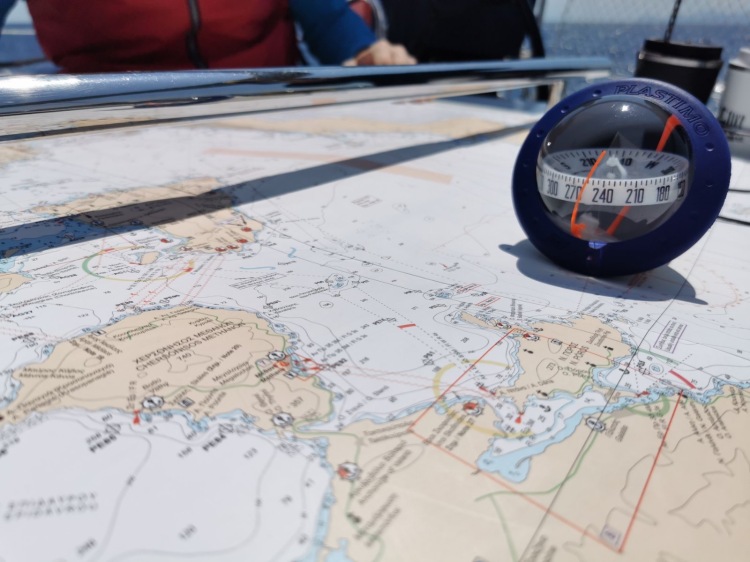
Even for a short cruise, let alone for a longer one, it is important that someone who is not with you, knows where you are headed. So, share your plans with a family member or friend in case of emergency.
Take with you the documents of the boat
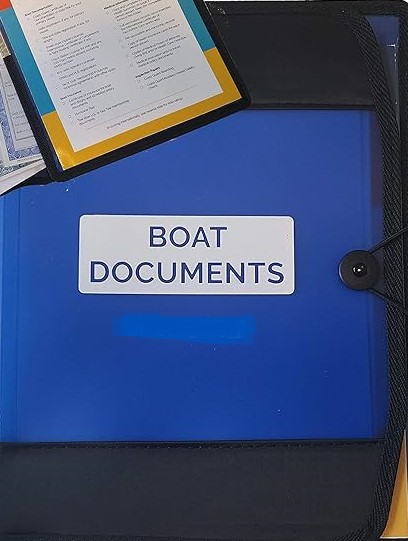
Take with you and store the boat documents in a safe and dry place like under the chart table. Make sure you have all the necessary vessel’s documents and any charts for the areas you intend to visit on board before you head out. A good tip is to keep your important documents in waterproof covers.
Check the VHF radio – Electronics
Make sure your boat VHF is working by doing a radio check. Make a call on channel 16 to Olympia Radio (Olympia Radio is a GMDSS marine service in Greek seas that monitors 24/7 the VHF channel 16 and responds to MMSI 002371000) and check if they can hear you loud and clear. This is one of the highest priority boating safety actions. Don’t forget to maintain a continuous watch on Ch 16.

Apart from VHF radio, make sure that the remaining electronics of your boat, like GPS-AIS-RADAR-any other devices as applicable, are all in working order.
Secure everything that moves in the boat
Store your dinghy, Stand Up Paddleboard (SUP), gangway neatly & securely along the rails of your boat, while keeping deck space clear. Stow everything which could move around while sailing, or obstruct the crew when they are down below deck. Cutlery and kitchenware in draws, clothes and shoes in lockers or suitcases, pilot books and maps in the chart table, mobile phones and electronics in a safe place. Food provisions and bottles/cans should also stored in safe places.
Close all the boat hatches/portlights
Go through the boat, front to back, and make sure each and every hatch/portlight is closed. Be careful, coach-roof hatches should be closed but not locked , since can be used as an escape route in case of emergency.
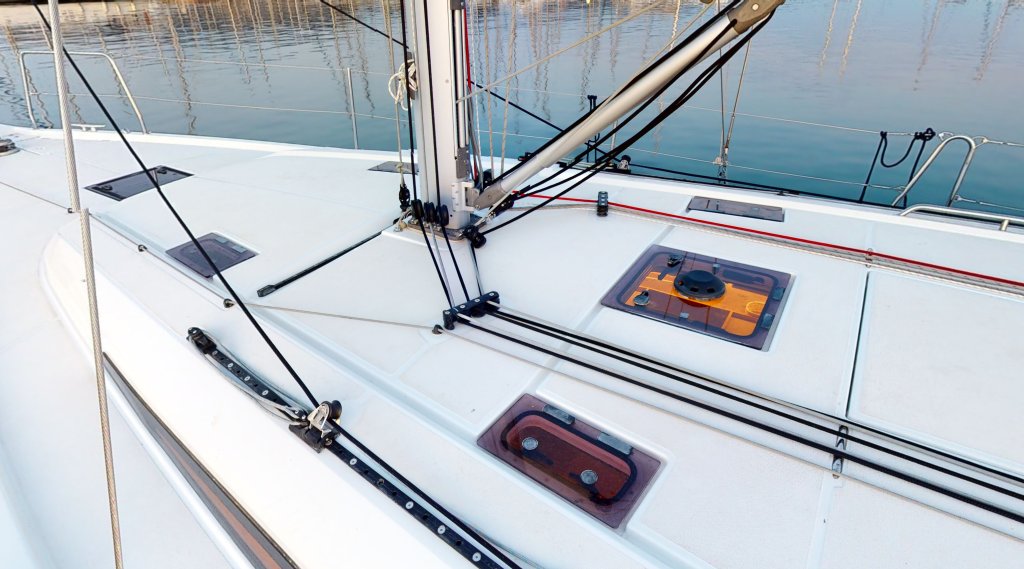
Check them all and remember that is very easy to open a window while sailing in calm sea / weather conditions rather than the opposite.
Valves/Seacocks
The holes below the waterline should be thought of as potential problems. So, it is a good practice to keep open the engine cooling water seacock(s) and close all the remaining seacocks (unless there is a good reason for them to be open) before departure. Remember that when sailing, seawater might enter from open seacocks, depending upon heeling angles, position of through-hulls, use of anti-syphons and having them closed you eliminate the chance of entering water inside the boat.
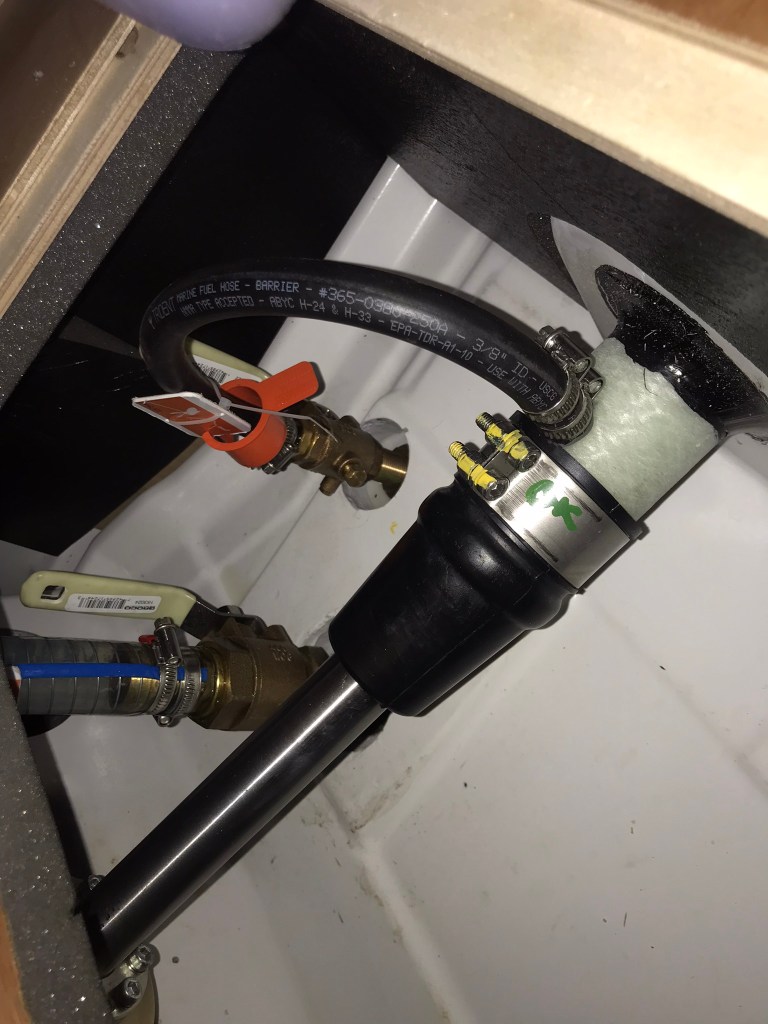
Bear in mind that regular operation and lubrication of any valve is important for reliability. At least a couple of times a season, close and open each valve prevent them becoming seized or jammed.
Turn off the electric water pump switch
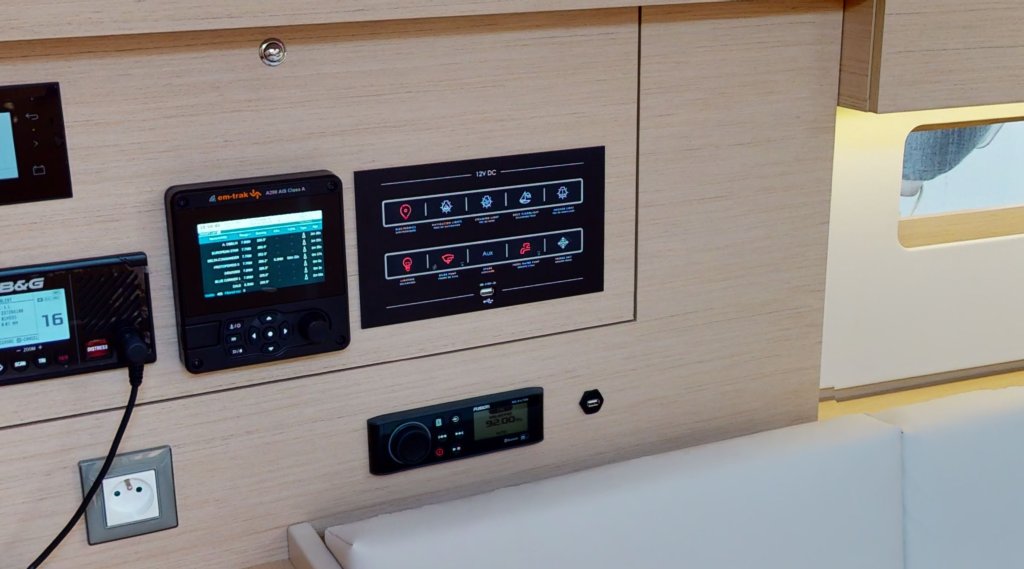
Go to the main panel of the boat and before you leave the pier, turn off the electric water pump. The reason is that while sailing the boat is heeling and sometimes the water pump can accidentally start due to air leak in the line or it has become disconnected from the pump.
In this case, the pump is running constantly because it is trying to build up pressure but with the leak it cannot. High energy consumption is the good scenario while pump electrical failure is the bad scenario (or fire of the pump / wiring could be a catastrophic scenario!).
Bilge and bilge pump
Make sure the bilge is dry and the bilge pump is set on automatic from the main control panel of the boat.
Check the boat engine
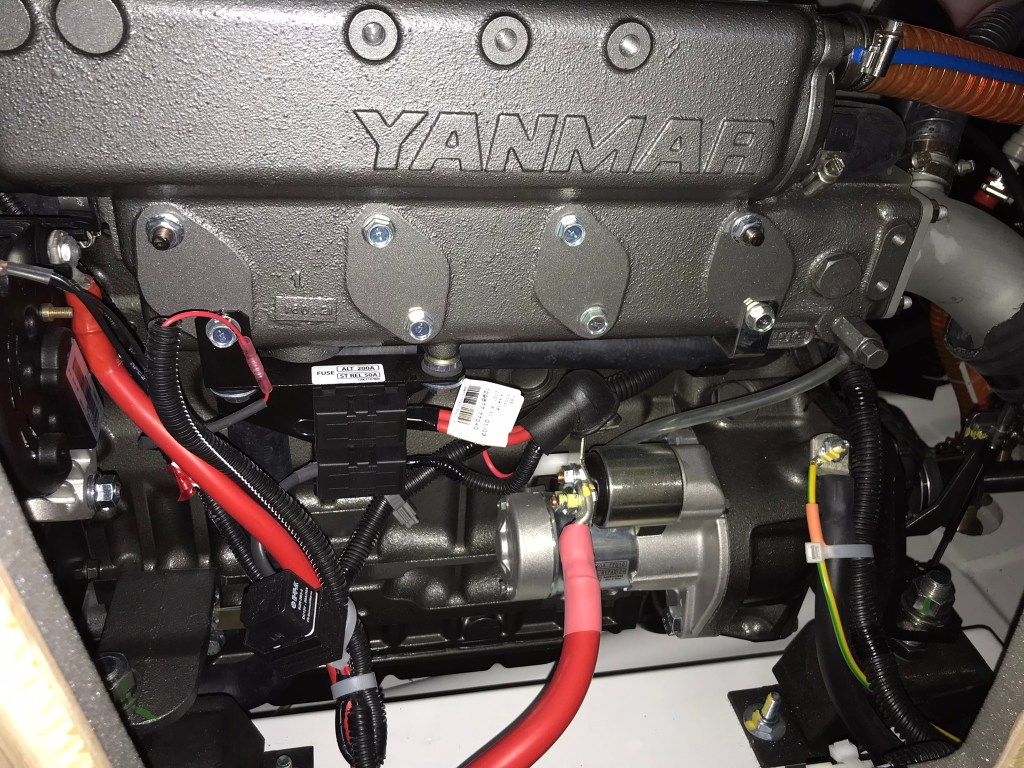
Before starting the engine, make sure the water intake seacock is open. Once the engine has started, ensure cooling water is flowing (if after about 30-60 seconds there is no sign, turn the engine off and start troubleshooting). With engine at idle, check forward and reverse, and check thrusts.
Connect with us
 sailingcompass.com