Understanding the wide range of marine communication systems and devices available, from VHF radios to AIS transponders, is critical for ensuring safety, navigational efficiency, and consistent communication during your time on the water.
Before we start, it is important to understand when a modern sailing boat is equipped with a VHF (Very High Frequency) radio, Call Sign and MMSI are crucial for effective communication.

CALL SIGN: this is a unique identifier, like everyone has their own ID. – a sequence of letters and numbers
– serves as a way to identify the vessel during radio communications, both for safety and regulatory purposes.
MMSI: a unique 9 digit number, like everyone has their mobile number.
– Maritime Mobile Service Identity: a sequence of numbers
– used primarily with Automatic Identification Systems (AIS) and Digital Selective Calling (DSC) systems, both of which help improve communication and safety at sea.
GMDSS – Global Maritime Distress and Safety System
– an internationally recognized system established to enhance the safety of life at sea
– an automated ship-to-shore and ship-to-ship system using satellites and/or terrestrial radio systems with Dgital Selective Calling (DSC) technology
– key part of modern maritime safety, required on many vessels operating internationally
Components of GMDSS
Sailing boat equipment
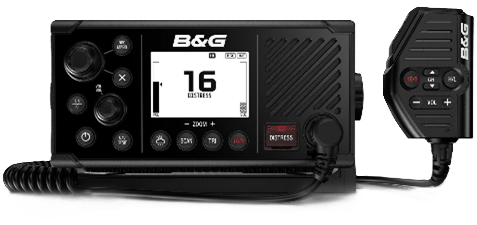
VHF radio with DSC
– worldwide system of two-way radio transceivers on ships used for bidirectional voice communication from ship-to-ship, ship-to-shore (Signals travel line-of-sight with typical ranges of 20 to 30 nautical miles)
– VHF marine radios are an indispensable tool for sending and receiving distress signals, sharing navigational information, and staying updated on weather conditions.
AIS (Automatic Identification System)
– a real-time tracking system used to exchange information about vessels’ positions, courses, speeds and other information to other ships and to coastal authorities automatically.
– Imagine a shipboard radar or an electronic chart display that includes a symbol for every significant ship within radio range, each with a velocity vector (indicating speed and heading).
Sailing boat devices
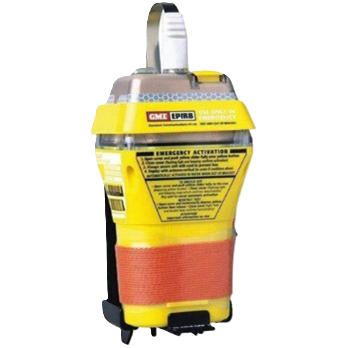
EPIRB (Emergency Position-Indicating Radio Beacon)
– a device that should be considered as important as a liferaft, providing the means to signal distress and call for help in emergency situations.
– This satellite-monitored electronic signaling device is registered to—and carried by—the vessel, not an individual, and operates on a frequency of 406 MHz to directly contact search-and-rescue (SAR) authorities around the world (satellite communication can be a lifesaver).
 sailingcompass.com