Understanding the Key Elements for Safe Operation
Mastering the use of a windlass is key to achieving effective anchoring. A windlass is an essential piece of equipment on most sailing boats, used for raising and lowering the anchor. While it makes anchoring easier, using a windlass correctly requires a good understanding of its power. You also need to know the size of the chain and the size of the anchor. It’s important to understand the working load limits. In this article, we’ll break down how to use a windlass for safe operation.
Understanding Windlass Basics

A windlass is a mechanical device (typically powered electrically), designed to control the raising and lowering of the anchor via a chain. There are two key factors to consider when using a windlass correctly:
1. Power of the Windlass – This refers to the force exerted by the windlass to pull the anchor and chain. It is typically measured in kilograms and is crucial in determining how much weight your windlass can handle.
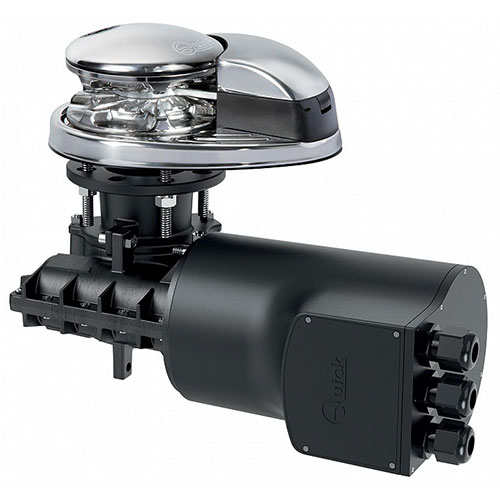
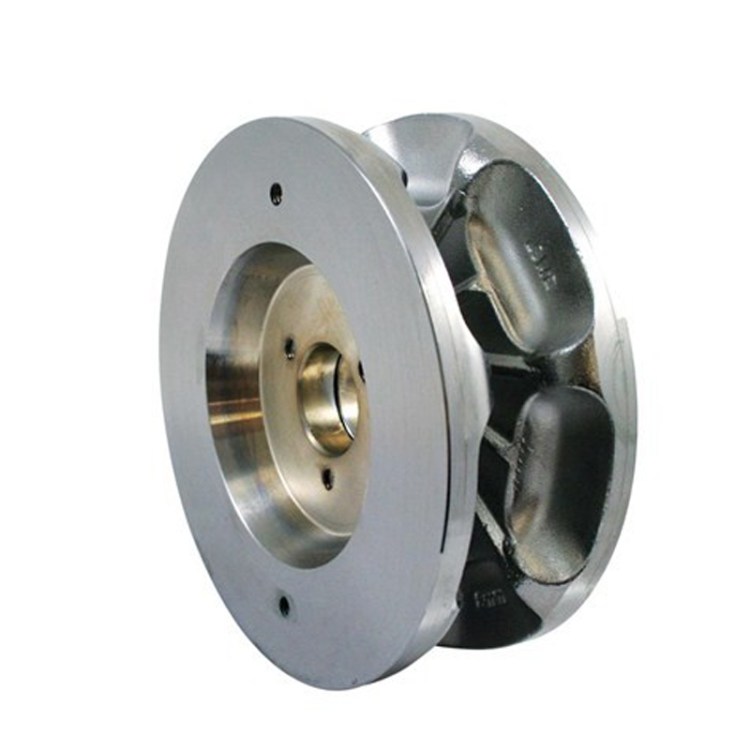
2. Windlass Gypsy – The gypsy is the part of the windlass that grips the anchor chain. The size and design of the gypsy must match the chain diameter for proper functionality.
Factors Affecting Windlass Use
When using a windlass, three key factors must be matched to ensure proper operation:
- Windlass Power (Capacity)
- Chain Size and Weight
- Anchor Size and Weight
1. Windlass Power and Capacity
The power of the windlass, often referred to as the working load or pulling power, defines how much weight it can safely lift. Windlass specifications will usually state a maximum weight or load capacity, typically in kilograms.
- Working Load Limit (WLL): This is the maximum weight the windlass can handle continuously during use. The WLL should never be exceeded to avoid damaging the windlass or creating unsafe conditions.
- Maximum Pull: This term is sometimes used to refer to the maximum amount of weight the windlass can pull at a given time. It’s often used to define the peak capacity, and while it’s safe for brief moments, operating at maximum pull continuously isn’t recommended.
- Example: Our sailing boat IRIS has a 1000 W windlass.
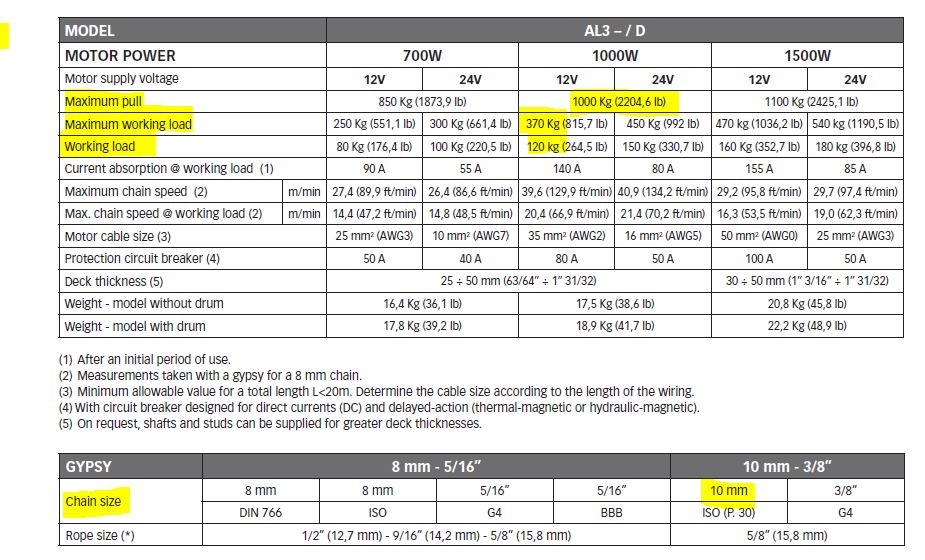
Key Tip: Choose a windlass with a working load limit that is higher than the combined weight of your anchor and chain to ensure optimal safety.
2. Chain Size
The chain used with the windlass needs to be compatible with the windlass gypsy (standard ISO or DIN). If the chain diameter is too large or too small, it can affect the operation and lead to potential issues.
- Chain Size Compatibility: The gypsy is sized to fit a specific chain diameter, typically ranging from 6mm to 16mm or more and type of standard.
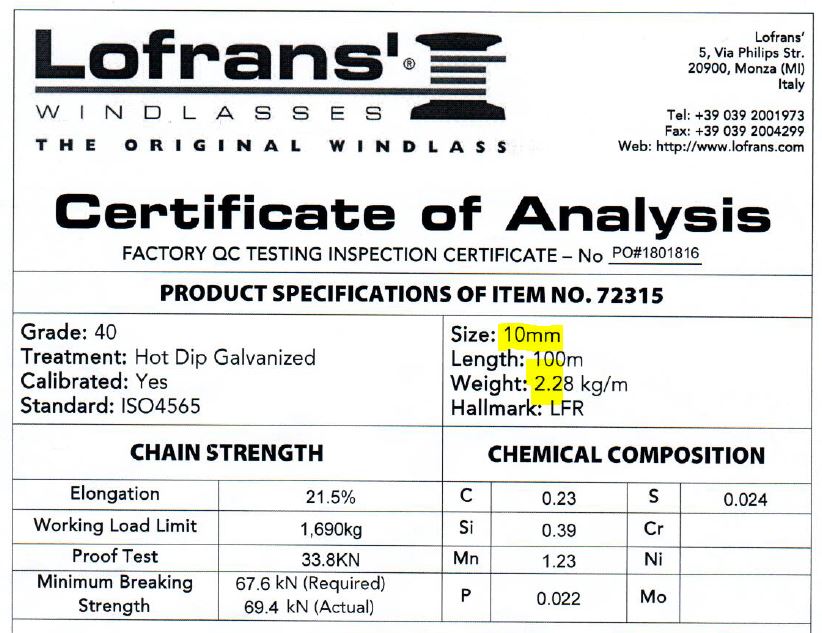
- Weight of Chain: The weight of the chain impacts the total load on the windlass. For instance, a 10 mm chain weigh approximately 2.2kg per meter. When determining the total weight the windlass must handle, include both the weight of the anchor and the chain.
Example: A 50-meter chain weighing 2.2 kg per meter will add 110 kg to the load on the windlass in addition to the anchor.
3. Anchor Size and Weight
The size and weight of the anchor are pivotal when choosing a windlass. An anchor too heavy for the windlass could strain or damage the motor. Most manufacturers offer windlass recommendations based on the boat size and anchor weight.
- Boat Size & Anchor Weight: A 35-45 ft (10.6-13.7 meters) boat typically uses an anchor between 10-25 kg (22-55 lbs). The windlass you choose must be able to safely handle the combined weight of the anchor and chain.
Tip: Always ensure that the windlass rating matches or exceeds the weight of both the anchor and the chain.

How Much Weight Can Your Windlass Safely Lift?
To determine how much weight your windlass can securely lift, consider the following steps:
- Calculate the Total Weight: Add the weight of the anchor and the chain (use the weight per meter multiplied by the length of the chain).
- Check the Windlass’s Capacity: Your windlass will have a maximum working load limit (WLL). This is the maximum weight it can handle continuously.
- Compare the Total Weight: If the combined weight of the anchor and chain exceeds the WLL, consider upgrading to a more powerful windlass.
For instance, if your anchor weighs 20 kgs and your 30-meter chain weighs 66 kg (referring to the chain in the water), the total weight is 86 kg. If your windlass is rated for a 120 kg working load, it can easily handle this load.
Maximum Working Load (WLL) vs. Maximum Pull
- Maximum Working Load (WLL): The WLL refers to the maximum weight your windlass can handle for extended periods. For most cruising windlasses, this is a crucial factor in choosing the right equipment.
- Maximum Pull: This term is usually associated with the peak force the windlass can exert when raising or lowering the anchor. It’s typically a higher number than the WLL and reflects a temporary maximum. Continuous operation at this peak load is not recommended.
Example: A windlass may be rated with a maximum pull of 1000 kg but a working load limit of 370 kg. In practice, the windlass should not be used at maximum pull for extended periods.
Choosing the Right Windlass for Your Boat
When selecting a windlass, keep these tips in mind:
- Boat Size: Match the windlass capacity to your boat’s size. A larger boat requires a more powerful windlass.
- Anchor and Chain Size: Ensure the windlass can handle the size and weight of the anchor and chain, including the combined weight.
- Safety Margins: Always choose a windlass with a higher working load limit than your anchor and chain weight to provide a safety margin.
- Regular Maintenance: Even the best windlasses require regular cleaning and maintenance. Make sure to follow the manufacturer’s maintenance schedule.
Practical Example – limit of safe anchorage
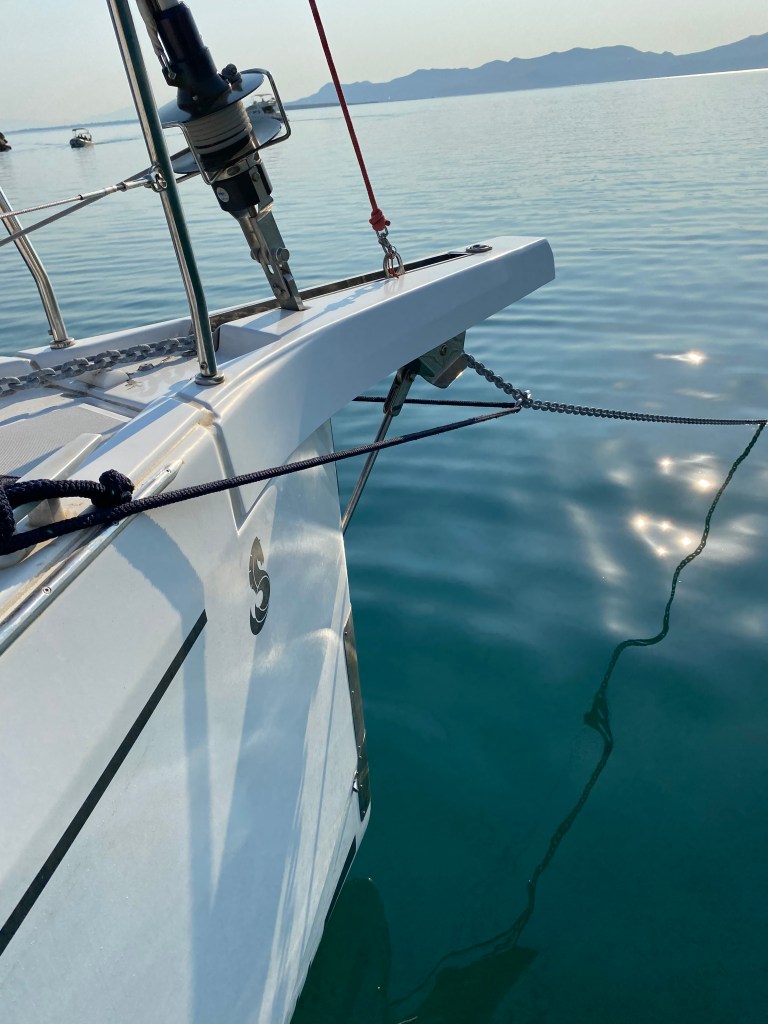
Our S/Y Iris has 100 meter chain with the next specifications.
Size: 10 mm
Weight: 2.2 kg/m
The boat is equipped with a DELTA anchor of 20 kg and a windlass with the next characteristics. Lets calculate the limit of safe anchorage.
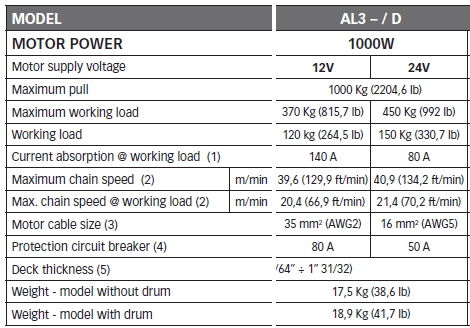
Since the Working Load is 120 kg, we can calculate the maximum depth at which my boat can retrieve the anchor.
The maximum height between the deck and the seabed, which represents the limit of safe anchorage, is calculated as
(Working Load – Anchor Weight) / Chain Weight, or (120 – 20) / 2.2, resulting in app. 45 meters.
Be careful!! The chain weight used in this calculation refers to the portion from the boat deck to the seabed, not the chain lying at the bottom of the sea.
Conclusion: Safe Windlass Operation
A windlass is an invaluable tool on a sailing boat, but it’s important to use it correctly to avoid accidents or damage. Understanding the working load, maximum pull, and the proper sizing of the anchor, chain, and windlass are all essential to safe and effective anchoring.
By ensuring that the windlass power is matched to the size of your anchor and chain, and never exceeding the windlass’s maximum working load, you can ensure a smooth and reliable anchoring process, making your sailing experience much more enjoyable and safer.
 sailingcompass.com