A fire can happen anywhere, even on the water, and it’s important to always be prepared for what you would do if you had one on your boat. As with most things in life, prevention is better than cure, especially where fire is concerned.
Boat fire prevention
Before sailing, carry out careful checks to ensure you have taken all possible measures to minimise the chance of a fire.
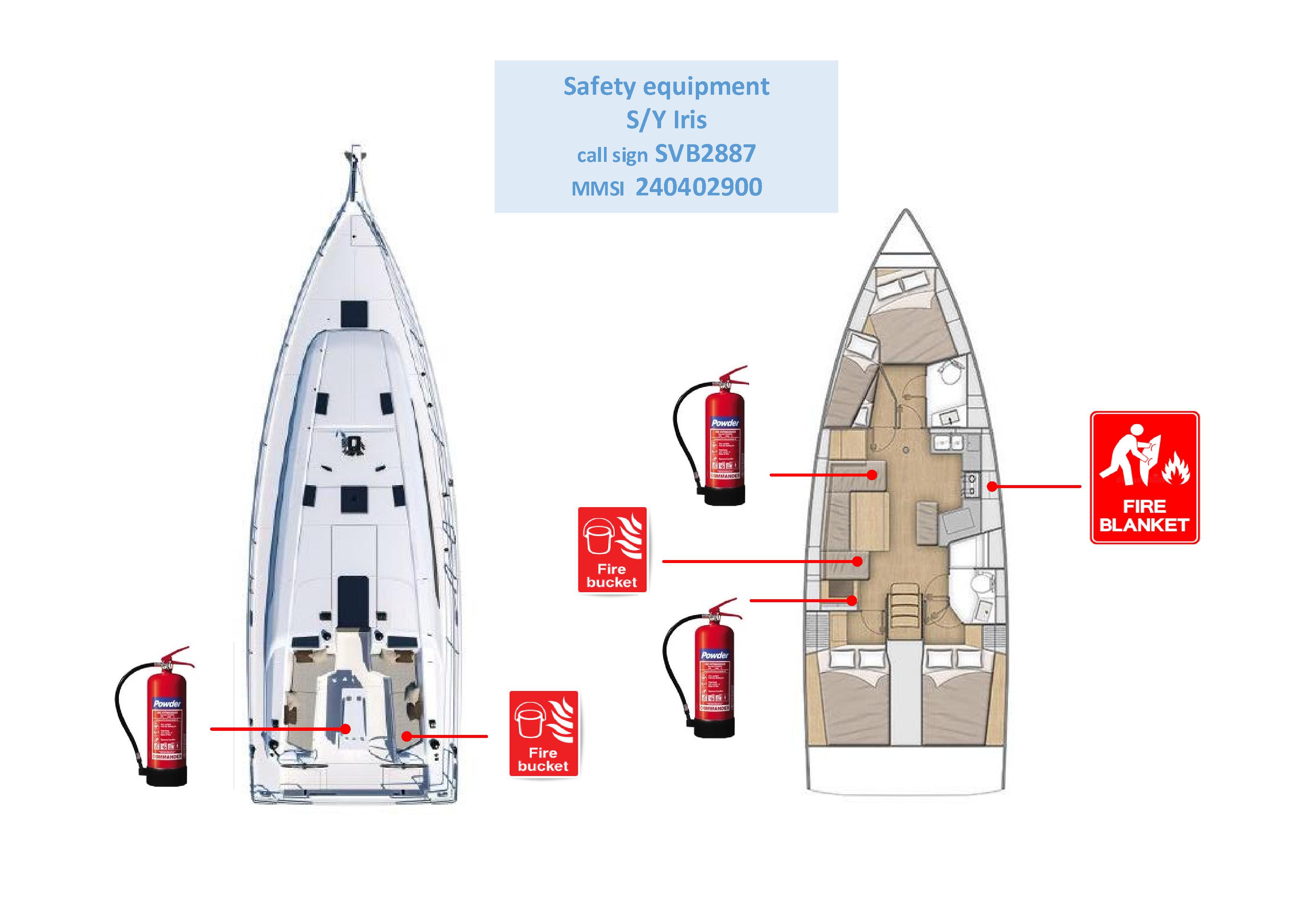
In the event of an onboard fire the extinguishers must be easy to reach – they must be kept in readily accessible positions close to the main fire risk points, e.g. the engine space and the galley.
Fire risks for boats and vessels?
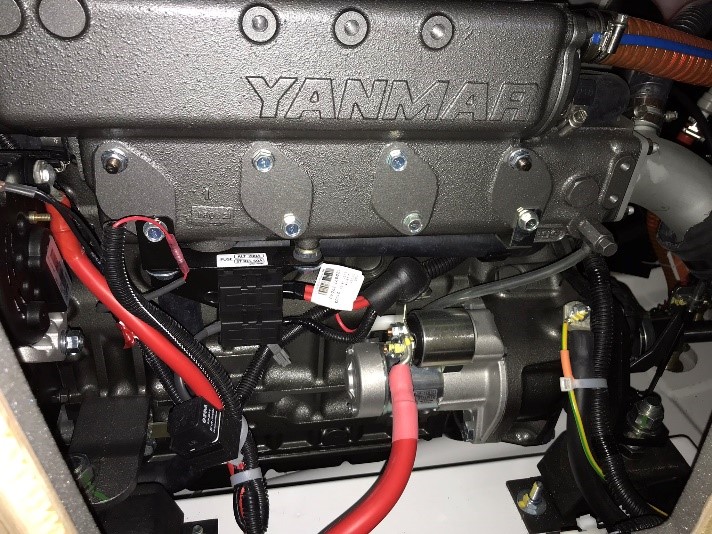
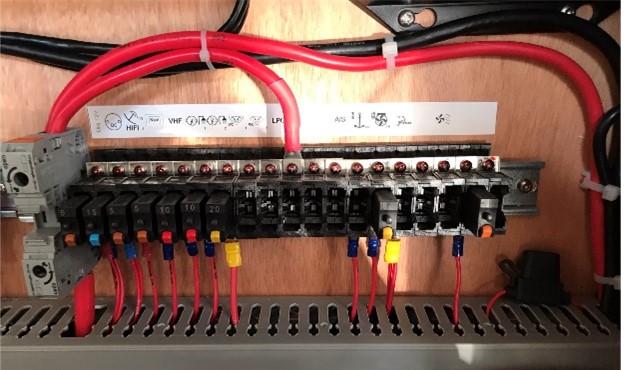
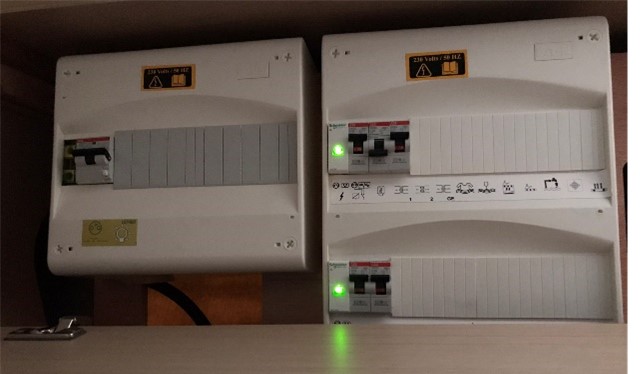
- Engine & electrical fires: While most modern-day boats are well-designed and very safe. they can still catch fire (Accidents, Electrical System Failure, Fuel System Leaks, Overheating Engine).
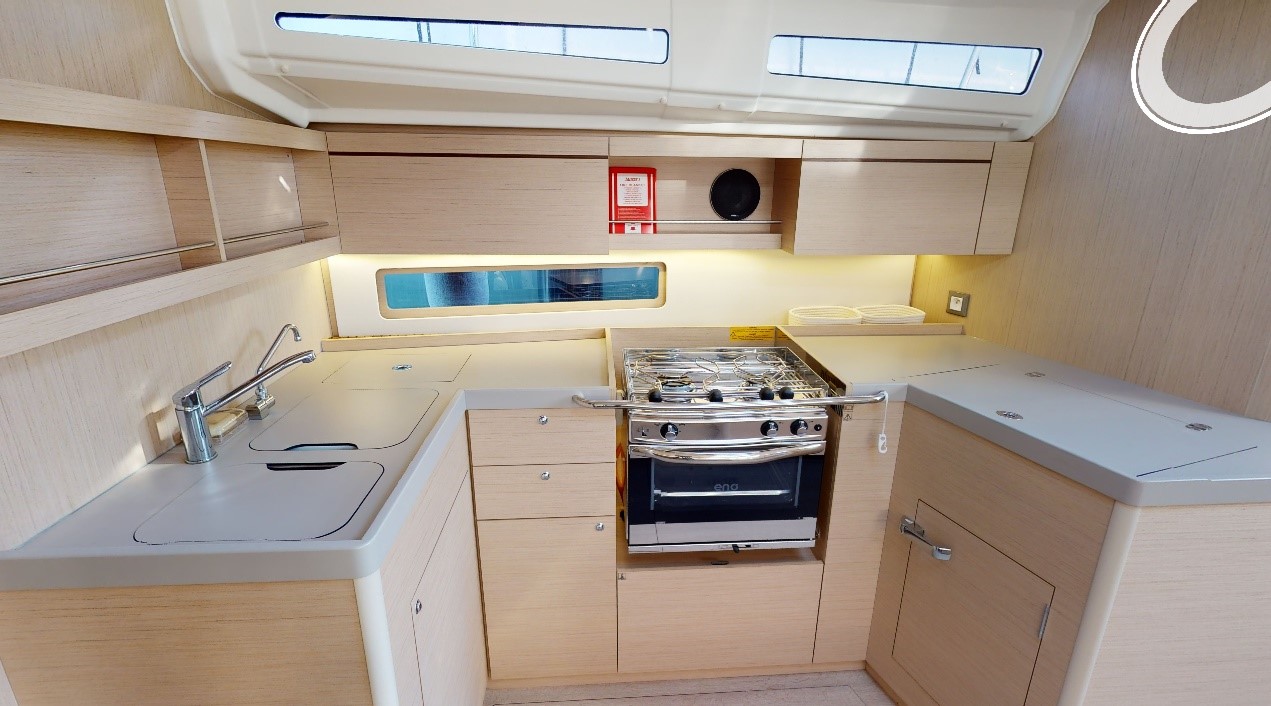
- Cooking fires: Cooking in your kitchen’s boat is also a cause of fire.
What fire safety equipment should I have in my Boat?
Our recommended fire and overall safety products for your boat or vessel include:
- Fire Extinguishers*
- Fire Blanket in the kitchen area
- Smoke or Heat Alarm in the kitchen area
- Buckets
- First Aid Kit
- Life Jackets of course!
* It is mandatory and a legal requirement in Greece to have at least two fire extinguishers in our sailing boat (vessel class B). Of course, having the right safety equipment to protect your vessel against fire, such as a fire extinguisher is essential to protect your boat and passengers.
In our case, S/Y IRIS is equipped with three fire extinguishers of 6kg (dry powder), one Carbon Dioxide of 2kg (‘CO2’) fire extinguisher, one fire blankets and one smoke alarm close to the engine room.
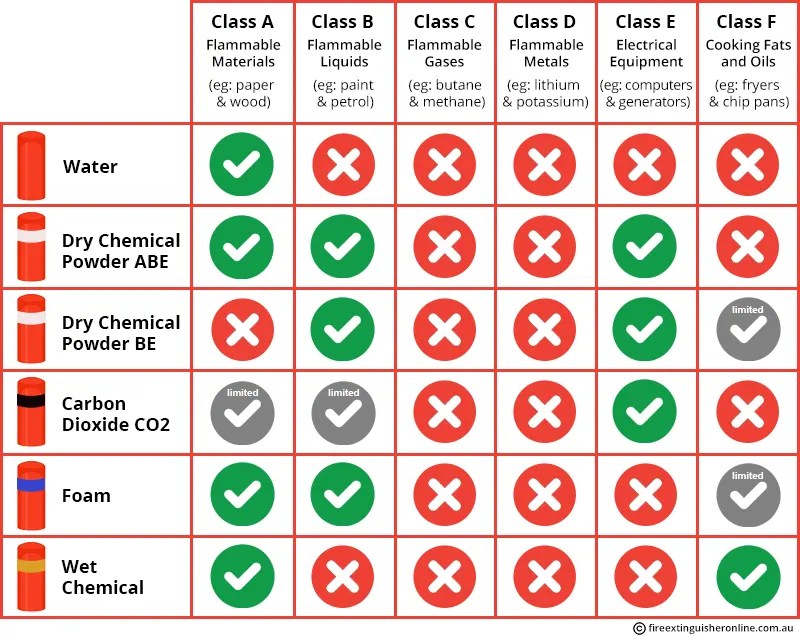
Dry powder fire extinguishers are multi-purpose and cover 3 out of the 6 classes/types of fires, they are the best extinguisher solution for your boat or vessel. It is a great multi-purpose fire extinguisher well suited for all types of vessels. (be aware: it leaves a mess)
The various types of fire extinguisher put out fires started with different types of fuel – these are called ‘classes’ of fire. The fire risk from the different classes of fire in your home or your business premises will determine which fire extinguisher types you need.
How to Use a Fire Extinguisher
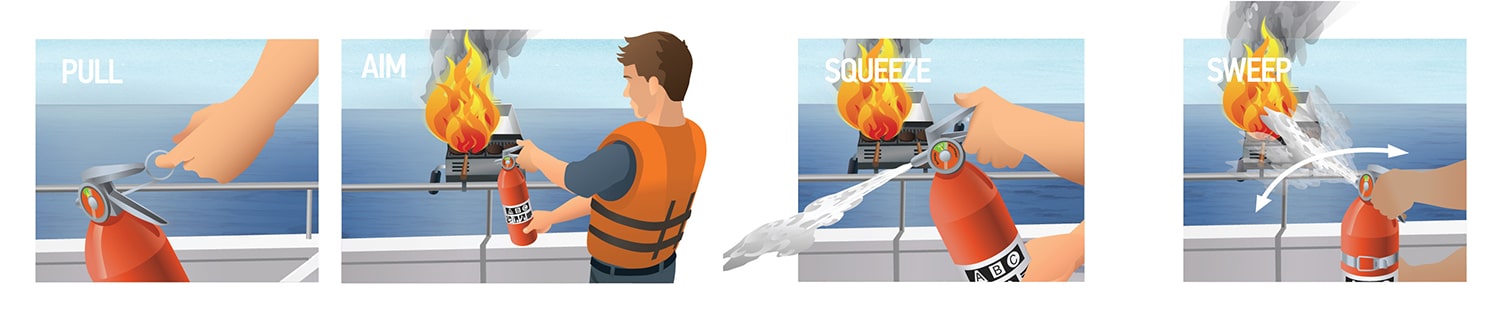
Use the P.A.S.S. method to fight a fire on your boat:
- Pull the safety pin on the handle of the fire extinguisher
- Aim at the base of the flames
- Squeeze the handle
- Sweep the fire by spraying from left to right in a sweeping motion
Share these messages and resources with the boating community to increase awareness about boat fire safety.
On the boat
Plan
Have a fire emergency plan and practice it.
Alarm
Install smoke and carbon monoxide alarms to alert occupants to a fire.
Inspection
Inspect electrical wiring, connections, cords and battery-charging equipment to ensure they are installed properly and in good condition.
Fire extinguisher
Have the appropriate fire extinguishers and make sure they are easily accessible. Train all boaters on how to use them
Heaters
Turn off portable heaters when you leave the boat or go to sleep.
An excellent brochure from www.boatsafetyscheme.org gives advice on preventing boat fires.
 sailingcompass.com